
Storms that have hit Putnam County
The Putnam County hazard mitigation plan lists several storms that affected the Town of Carmel. These include Hurricane Sandy, the October 29 and 30, 2017 nor'easter and nor'easters on March 2 and March 7, 2018. A tornado came on May 15, 2018, and a storm on February 7, 2020. An April 13, 2020 wind and rain event had gusts around 50 miles per hour. Sandy blew out culverts and flooded basements.
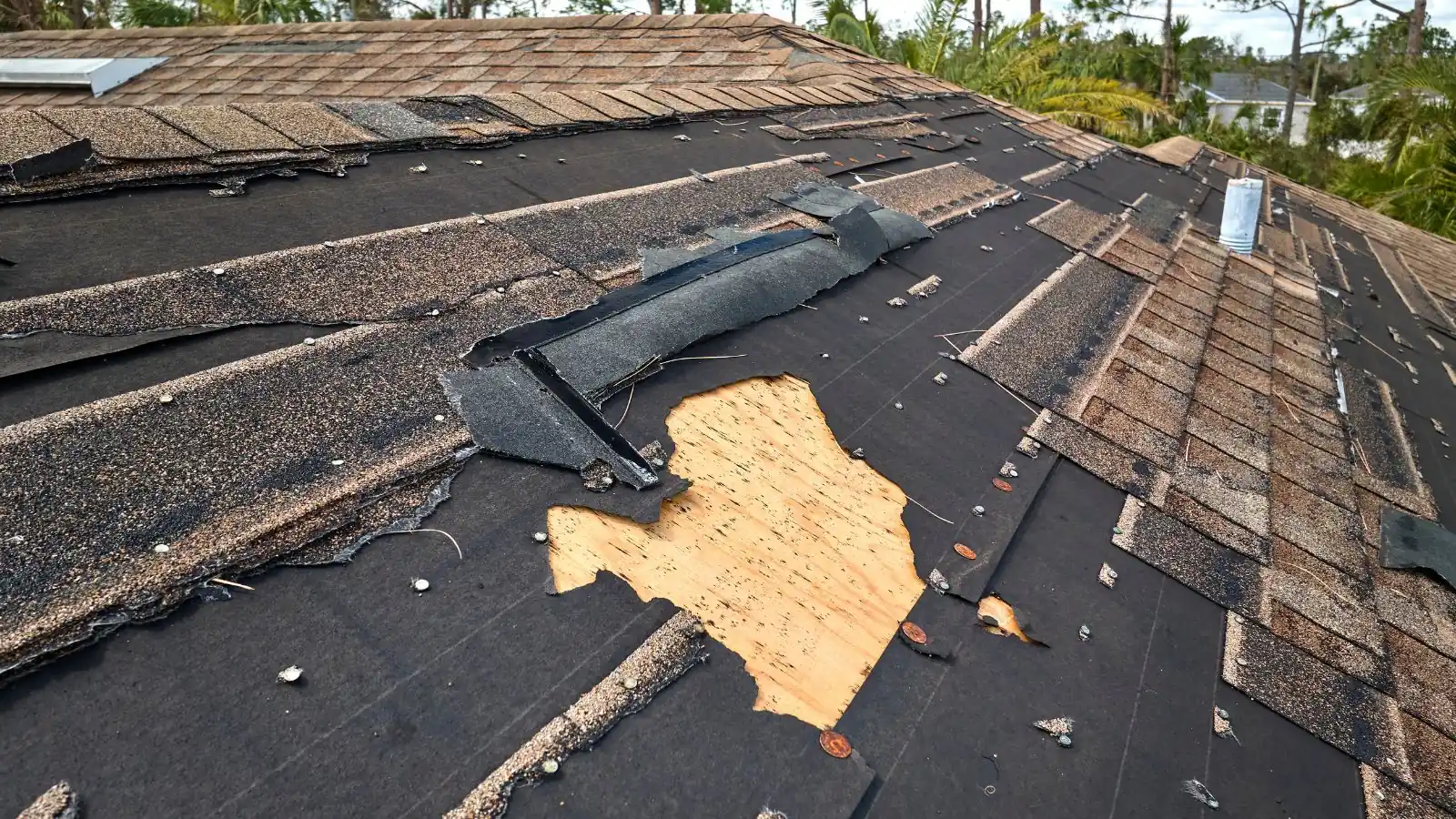
More recently, severe storms on July 9, 2023 damaged roads, bridges and culverts across the county, and the County Executive declared a state of emergency on July 10. Storms like these do not only flood basements. They tear shingles, break windows and loosen siding, and water finds the gaps.
How storm water gets in
Wind-driven rain is the quiet one. It pushes water sideways under siding, past window flashing and through roof edges, and the leak shows up days later as a stain. Roof damage lets water in from above and it collects in the attic first.
Ground water is the loud one. Saturated soil and overwhelmed drains push water through foundation cracks, window wells and floor drains. A power outage from the same storm can stop the sump pump when it is needed most, which is why a battery backup is worth asking a plumber about.
Storm cleanup in order
Safety check
Downed lines, gas smells and structural damage are handled before anyone works inside.
Stop further water
A roofer tarps the roof and a crew boards openings. We extract water and protect the interior.
Remove and dry
Standing water goes first, wet materials are removed and the structure is dried.
Repair
Ceilings, walls and floors are rebuilt once the envelope is closed and dry.
Who handles which part of storm damage
| Problem | Who fixes the cause | What we do |
|---|---|---|
| Missing shingles or open roof | Roofer | Dry attic, ceiling and insulation |
| Broken window or door | Glazier or carpenter | Extract and dry the room |
| Fallen tree on the house | Tree service and builder | Dry and repair the interior |
| Flooded basement from runoff | Drainage or waterproofing contractor | Pump out, clean and dry |
| Sump pump failure in outage | Plumber | Extract and dry the lower level |
What affects storm cleanup pricing
Scope of entry
One leaking window and a torn roof are different jobs.
Contamination
Runoff carries soil and bacteria, so cleaning steps are added.
Volume of water
Depth and spread set pumping and drying needs.
Timing
Storm days overwhelm every contractor, and emergency scheduling is part of the scope.
Hidden water
Water behind siding and in wall cavities has to be found.
Rebuild
Finishes depend on your choices and your claim.
Scope is written and explained before repairs begin, with drying and rebuilding separate.
What to do before we arrive: storm damage
- Stay clear of downed lines and flooded basements until power is confirmed off.
- Cover openings with tarps only if you can do so safely.
- Move belongings to dry rooms and photograph the damage.
- Call your insurer and keep receipts for emergency repairs.
Reference standard
We use the ANSI/IICRC S500 water damage standard as a reference for how wet structures are evaluated and dried. That is a statement about the standard we follow, not a claim of any certification. Storm water can carry soil and debris, which we account for in the cleaning plan.
Storm water near the lake
The county plan says the Lake Mahopac spillway overflows when debris builds up and the gates stay shut. See our Lake Mahopac page for details.
Storm water is in the house
Call and tell us where it entered and what is wet.
Storm claim documentation
- Photograph the damage and the weather conditions as soon as it is safe.
- Record the date and time of the storm and when you found the leak.
- Keep receipts for tarping, boarding and emergency drying.
- Keep damaged items until the adjuster has seen them.
- Ask your insurer separately about wind, water backup and flood, since they are often handled differently.
The New York Department of Financial Services advises homeowners to file claims as soon as possible and to make only the repairs needed to prevent further damage until the insurer has inspected.
When the storm also flooded the lower level
Basement
Water in the basement is covered in basement water damage cleanup.
Roof leak
Ceiling damage from a roof leak is in ceiling water damage repair.
Standing water
Pumping and extraction is in water extraction.
Flooded property
Larger events are in flood damage restoration.
Storm damage questions
Yes, and the emergency line stays open. Demand spikes after big storms, so we triage by safety and severity.
Roofing work belongs to a roofer. We dry the inside and can coordinate timing.
Wind and rain damage through a storm-created opening is often covered. Flood and groundwater are often separate. Check your policy.
Call us for extraction and drying and a plumber for the pump. Photograph the pit and the water line.
If power, gas and structure are safe and the water is not contaminated, often yes. We tell you what we find.
As soon as it is safe. Water in walls and ceilings spreads and the damage compounds.