
The year at a glance
| Season | Main water risk | What to check |
|---|---|---|
| Spring | Snowmelt, runoff and high groundwater | Sump pump, foundation cracks, window wells |
| Summer | Thunderstorms, humidity and AC condensate | Gutters, drains, AC drain line |
| Fall | Leaf-clogged gutters and early frosts | Gutters, hose bibs, exterior shutoffs |
| Winter | Freezing pipes, ice dams and thaw leaks | Exposed lines, attic insulation, roof edges |
Spring: when the ground is full
Snowmelt and spring rain saturate the soil, and groundwater rises. Basements that are dry in July can seep in April. The Putnam County hazard plan records that Lake Mahopac's spillway can overflow when debris builds and gates are not opened, and that the Lake Secor outlet stream can back up when vegetation overgrows, both of which are spring-type problems.
Test the sump pump when the first thaw arrives, clear window wells and check that downspouts discharge away from the foundation. See basement water damage cleanup for what to do when seepage turns into standing water.
Summer: storms and humid air
Summer thunderstorms dump a lot of rain in a short time. The July 9, 2023 storms led Putnam County to declare a state of emergency the next day. In between storms, humid lake air and air conditioners produce condensate, and a clogged drain line can leak into a ceiling or closet.
Flush the AC condensate line before cooling season, check the float switch and keep gutters clear. See AC leak water damage for what happens when the line fails.
Lakes, leaves and culverts in the fall
Mahopac's wooded lots drop leaves into gutters, and clogged gutters overflow at the foundation. Culverts clog with leaves and debris too, and the county hazard plan lists undersized or blown-out culverts, such as on Memory Lane, among the causes of flooding in the Town of Carmel.
Fall is the time to disconnect and drain hoses, shut off and drain exterior spigots and book a gutter cleaning before the first heavy rain. For nearby areas, our Carmel and Putnam Valley pages describe how culverts and lakes shape their flood risk.
Winter: freeze, thaw and ice
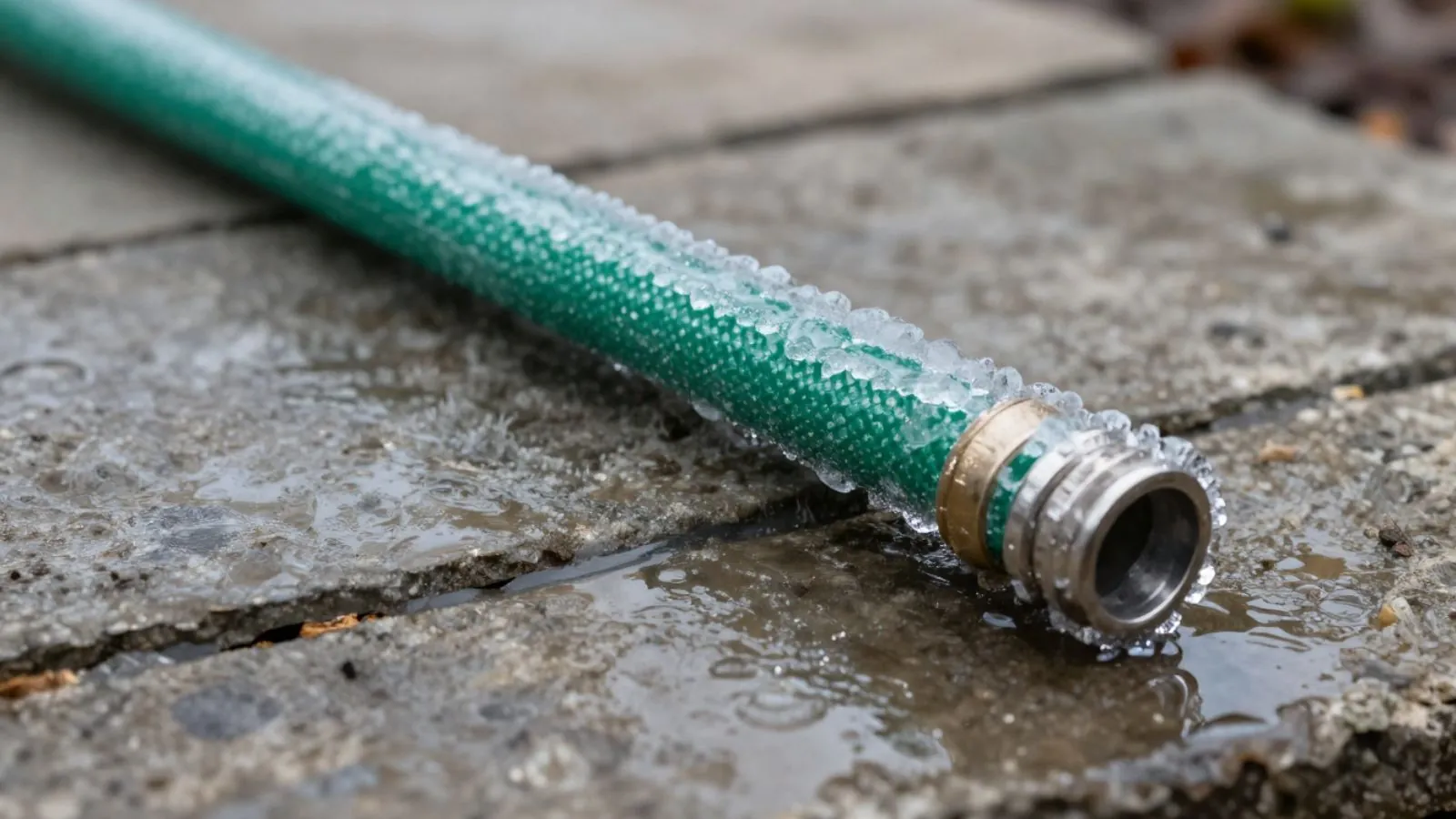
Frozen pipes split when water expands, and the leak appears when the ice thaws. The Town of Somers hazard plan, which covers Baldwin Place, notes icing along Route 6, a sign of how hard freezing conditions hit this corridor. Ice dams on roofs force water under shingles and into ceilings.
Insulate exposed pipes, seal air leaks around penetrations and keep the heat on when you are away. If a pipe splits, see burst pipe water damage and frozen pipe water damage.
Houses used part of the year
Some homes in lake communities are used seasonally. A house that is closed for months needs a shutdown plan. Turn off the main, drain the lines and water heater if it will sit in freezing weather, and have someone check on it. A leak in an empty house can run until the next visit.
When you reopen, turn on the water slowly and walk the house looking for drips before you leave it for the day.
A fast walk-around for each season
Take five minutes at the start of each season to look at the same places. Check the sump pit, the water heater, the washer hoses, the area under each sink and the ceiling below any bathroom. A stain or dampness you catch early is a repair, not a restoration job.
Small fixes that pay off all year
A few repairs reduce risk in every season. Replacing rubber washer hoses with braided stainless hoses, installing shutoff valves where there are none and adding leak sensors near the water heater cost little compared with a restoration project. Sealing cracks and caulking around windows keeps wind-driven rain out in spring and fall.
Plan one weekend a year to do these. A written list that you check off each season builds a habit and spares you from guessing what you did last time.
A seasonal water problem has started
Call the 24/7 line and describe what you see.
A simple yearly schedule
- Early spring: test the sump, check the basement walls and clear window wells.
- Late spring: clean gutters and check the roof for winter damage.
- Early summer: flush the AC condensate line and check the drain pan.
- Early fall: clean gutters, drain hoses and exterior spigots.
- Before the first hard freeze: insulate exposed pipes and know your shutoff.
Seasonal water damage questions
We cannot give a ranking without a source. The county plan records events in many seasons, including nor'easters in fall and spring, a tornado in May and a severe storm in July.
Mostly if parts of it are unheated, such as a garage or crawl space. Insulate exposed lines and keep the heat on.
At least before spring melt and before storm season, and after any long outage.
Ice dams push meltwater under shingles, and frozen plumbing in the attic can split. A roofer or plumber finds the cause.
Water near the air handler, a tripped float switch or a damp ceiling below it. An HVAC technician can clear it.