
Three paths and what each trades off
Most sellers choose between repairing before listing, repairing partway and disclosing, or selling as-is. Repairing first is the most expensive in time and money but gives buyers a clean story. Selling as-is is faster but lowers the price and shrinks the buyer pool to those who can handle risk.
The middle path, repairing what is cheap and documenting the rest, often fits a leak that has been fixed but has left stained drywall or damaged flooring. The key is that the source of the water is fixed, the structure has been dried and you have documentation that shows it.
What buyers and inspectors look for
| Clue | What it signals | What helps |
|---|---|---|
| Fresh paint on a ceiling or wall corner | Possible hidden leak | Moisture readings and plumber or roofer reports |
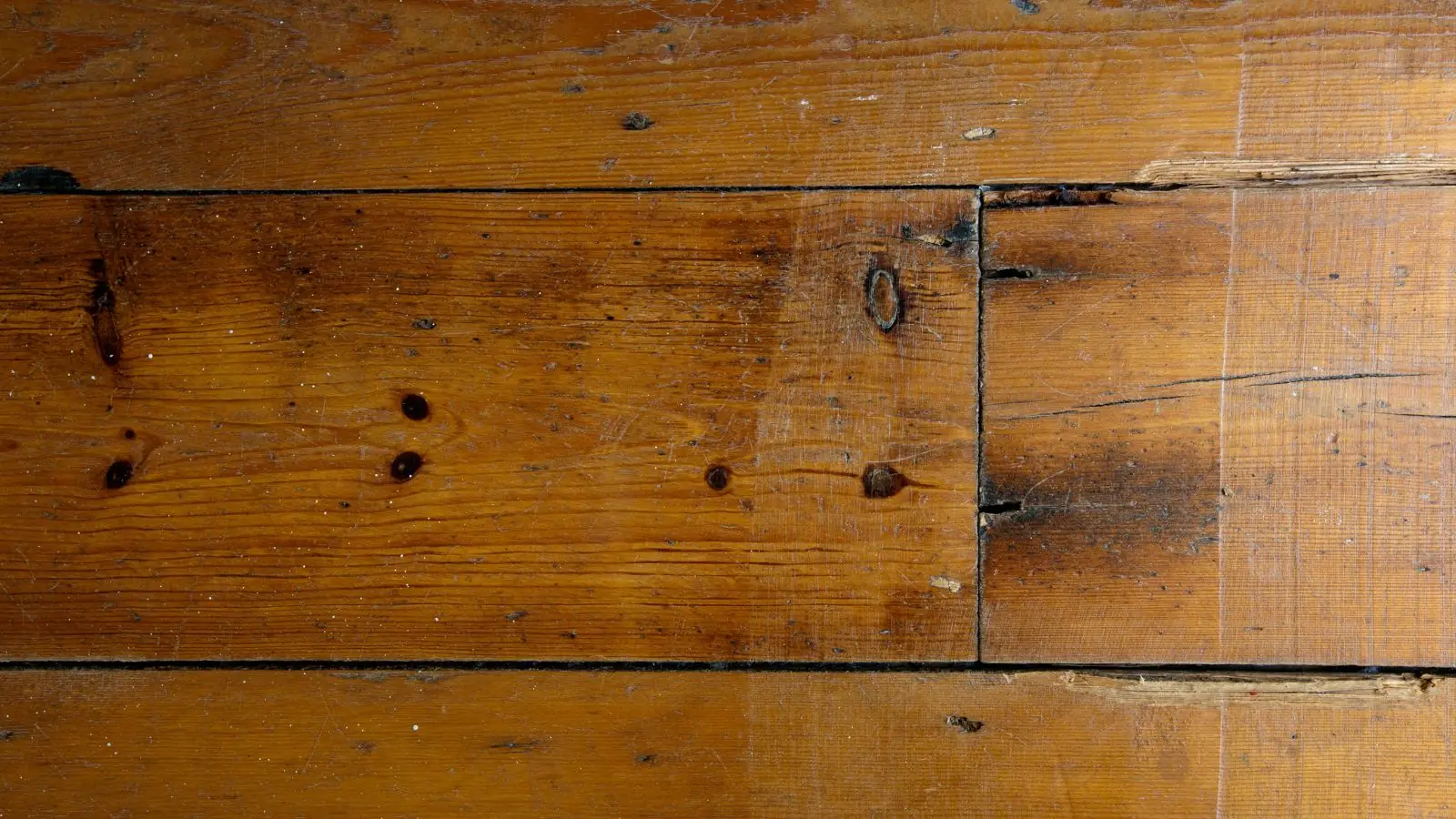
| Cupped or stained flooring | Past or current moisture | Documentation of drying and repair |
| Musty smell in a lower level | Ongoing dampness | Dehumidification records and sump records |
| Sump pump or dehumidifier running | Active water management | Pump age and service history |
| Visible efflorescence or stains on foundation walls | Seepage | Drainage fixes and photos after storms |
Disclosure and the Mahopac market
In New York, sellers of most one-to-four family homes either complete a Property Condition Disclosure Statement or give the buyer a credit at closing. The statement asks about known water problems, including flooding and leaks. Ask your attorney how it applies to your sale and what you must state.
Buyers in Mahopac are often aware of the lakes and of the flood-prone spots named in the Putnam County hazard plan. A homeowner who can show that a loss was repaired with documentation is better placed than one who cannot. If your property is in a mapped flood zone, expect buyers and lenders to ask about flood insurance.
Records to gather before listing
- The plumber's or roofer's report on the source of the leak.
- Moisture readings and the drying log from the restoration company.
- Photos before, during and after repairs.
- Receipts for materials, labor and any permits.
- Insurance claim paperwork showing what was paid and what was repaired.
Weighing the cost of repair against the price cut
A simple way to decide is to get a written scope for the repair and compare it with what buyers would likely knock off the price for the same problem. Buyers tend to price uncertainty at more than the actual repair cost, so a documented repair often beats an open question. A real estate agent who knows the local market can help you judge the gap.
If you repair before listing, keep the work proportional. Dry the structure, replace what is damaged and finish to match the rest of the house. Overbuilding for a sale rarely pays back.
Working with buyers and their inspectors
Expect a buyer's inspector to use a moisture meter and to look hard at basements, ceilings and under sinks. Offer your records up front. A folder with the plumber's report, the drying log and photos takes the mystery out of the house and shows that you handled the problem responsibly.
If an inspector finds something you did not know about, ask for a written scope from a contractor before negotiating. A number is easier to talk about than a worry.
Telling the story in the listing
Say what happened and what was done. A line such as a supply line failed, the structure was dried, readings were documented and the damaged materials were replaced reads better than silence. Buyers and their agents often find out anyway, and a clear account builds trust.
Avoid promises about the future. You can describe what was repaired and attach records, but you cannot guarantee that water will never return.
Mistakes sellers make with water damage
- Painting over a stain before the source is fixed and the area is confirmed dry.
- Leaving a dehumidifier running in a basement with no explanation, which prompts questions.
- Skipping the paperwork on a repair that was done properly, then being unable to prove it.
- Discounting buyer questions as nitpicking when they are asking about a real risk.
- Waiting until the inspection to learn that a problem exists.
Water damage before a sale
Call and we will explain the drying and repair scope in writing.
Repairs that make the biggest difference
Buyers react to visible signs, so repairing stained ceilings and walls and replacing damaged flooring matters. For ceilings, see ceiling water damage repair. For floors, hardwood floor water damage repair and carpet water damage restoration explain the choices.
A dry, odor-free lower level reads better than a freshly painted one. If you are in Mahopac Falls or Carmel, mention what drainage or sump improvements you have made. Consider asking an inspector to check the house before listing so surprises come early.
Selling with water damage questions
In New York, the disclosure statement or credit process covers known conditions. Ask your attorney what applies to your sale.
Not without fixing the source and confirming the area is dry. Fresh paint over a stain can look like concealment.
Yes, and some buyers prefer it. Expect a lower price and honest disclosure.
Lenders often do for houses in mapped flood zones. Ask your agent about your address.
The sale depends on documentation, price and the cause. A resolved, documented problem usually sells better than an unexplained one.