
The storms Putnam County has actually had
The Putnam County hazard mitigation plan lists events that affected the Town of Carmel, including Hurricane Sandy. It also lists a nor'easter on October 29 and 30, 2017 and nor'easters on March 2 and March 7, 2018. A tornado came on May 15, 2018, and a storm on February 7, 2020. A wind and rain event on April 13, 2020 had gusts near 50 miles per hour. Sandy blew out culverts and flooded basements.
More recently, severe storms on July 9, 2023 led the County Executive to declare a state of emergency on July 10. Roads, bridges and culverts were damaged across the county. The lesson is not that any single storm is predictable. It is that water events in this area come from many types of weather in different seasons.
Outside the house
- Clean gutters and downspouts and extend downspouts several feet from the foundation.
- Check that the ground slopes away from the house on all sides.
- Clear leaves from window wells and make sure drains are open.
- Look at the roof from the ground for missing shingles and failed flashing.
- Trim branches that hang over the roof or rub against it.
Inside the house
- Test the sump pump by pouring water into the pit and watching it run.
- Ask a plumber about a battery backup, since outages often come with storms.
- Know where the main water shutoff is and label it.
- Move valuables off the basement floor and into plastic bins.
- Photograph the house and contents now, so you have a record of how things looked.
Matching the storm to the risk
| Storm type | Common water problem | Best prevention |
|---|---|---|
| Nor'easter with wind-driven rain | Water behind siding and around windows | Check flashing and caulk |
| Heavy summer thunderstorm | Basement seepage and clogged gutters | Clean gutters and test the sump |
| Tropical storm remnants | Widespread runoff and long outages | Battery backup for the sump, generator safety |
| Winter ice and thaw | Ice dams and frozen pipes | Insulate attic and exposed lines |
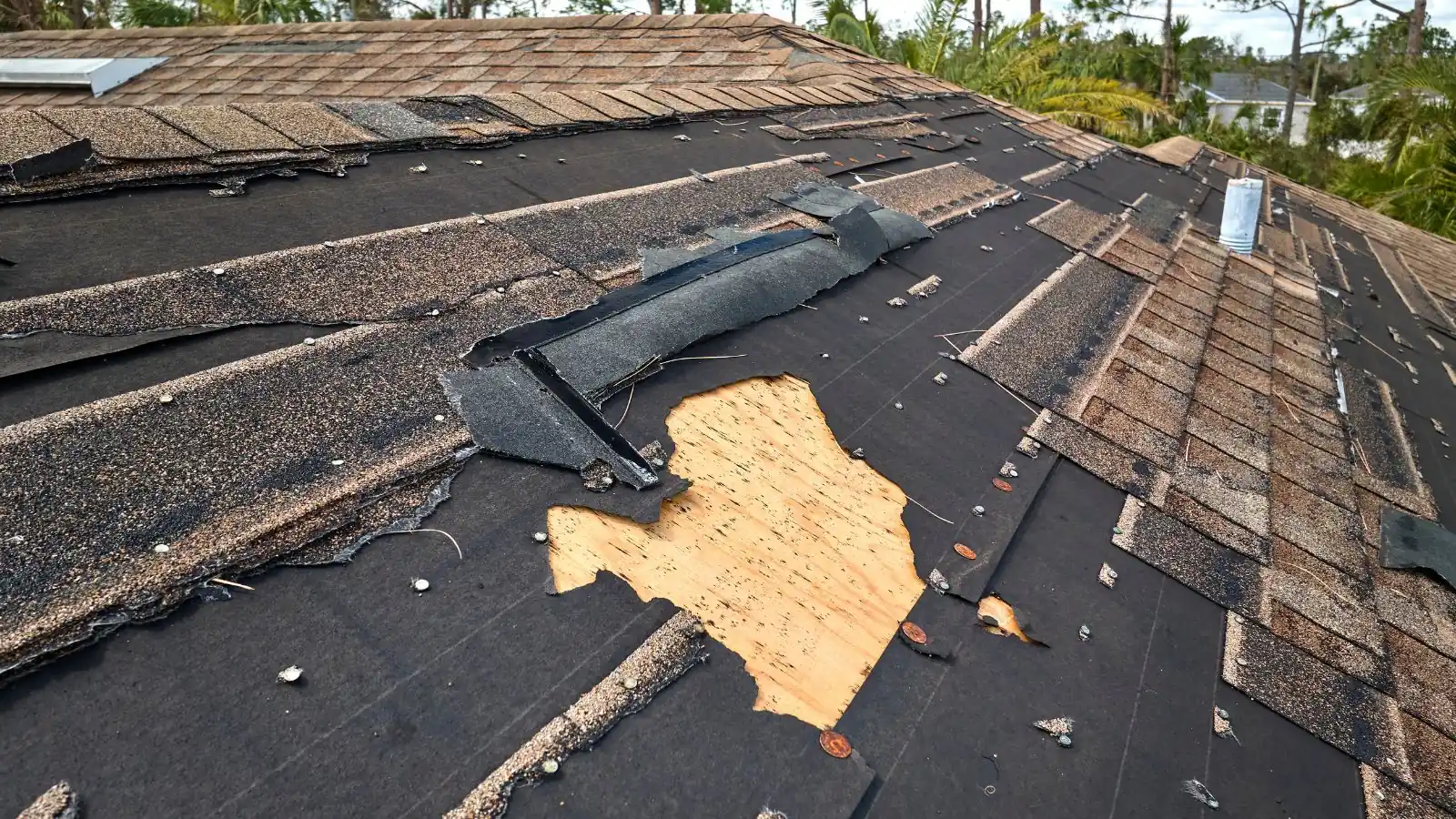
| Tornado or high wind | Roof openings and broken windows | Know who to call for tarping |
Power and sump pump safety
Storms often knock out power exactly when the sump pump is busiest. A battery backup pump or a water-powered backup, installed by a plumber, keeps the pit from overflowing. If you use a generator, keep it outdoors and well away from windows, and have an electrician install a transfer switch rather than plugging it into a wall outlet.
Also check the discharge line. A frozen or blocked line sends the water right back into the pit, so the pump runs and the pit fills anyway.
A one-page storm record
Write down your insurer's claim phone number, your policy number, the location of the main shutoff and the name of a plumber and a roofer. Put it with a flashlight and a battery radio. In the hour after a storm, you will not want to search for these.
Know your roof, your basement and your neighbors
Walk the property after the first heavy storm of the season and look for water stains, pooling and soft ground. Check the attic with a flashlight for dark patches on the underside of the roof deck, which show a slow roof leak. Look at the basement walls for new damp lines.
Neighbors are part of the plan too. A clogged culvert or a stream that backs up affects several properties, and a call to the town highway department can help. Exchange phone numbers with the nearest neighbors so you can warn each other when water starts to rise.
Mistakes homeowners make before a storm
- Testing the sump pump only when the pit is already full.
- Leaving downspouts that discharge beside the foundation.
- Storing important papers and photos on the basement floor.
- Assuming the homeowners policy covers flood.
- Waiting until the storm has started to look for the main shutoff.
Storm water already in the house?
Call the 24/7 line and describe what happened.
What to do during and right after a storm
Stay away from downed lines and flooded roads. If water begins to enter, shut off power at the panel only if it is dry and safe to reach. Move to higher ground if a lower level floods quickly.
Afterward, photograph the damage before moving anything. If a roof is open, call a roofer for a temporary cover. For interior water, see our storm water damage cleanup page, and for lower-level flooding see basement water damage cleanup. Our Mahopac Falls and Jefferson Valley pages describe the storm history in those areas.
Storm prep questions
Before storm season and after any long outage. Pour water into the pit and watch the pump start, run and shut off.
It can be, but generators have safety rules. Never run one indoors or in an attached garage, and have an electrician install a proper connection.
Flood policies usually have a waiting period, so buy before a storm is forecast. Ask your agent about your address.
Saturated ground and overwhelmed drainage push water through foundation joints. The county hazard plan names culvert problems and flood-prone roads in the town.
Each room, the basement, the roof from the ground and any valuable items. The photos help if you later make a claim.