
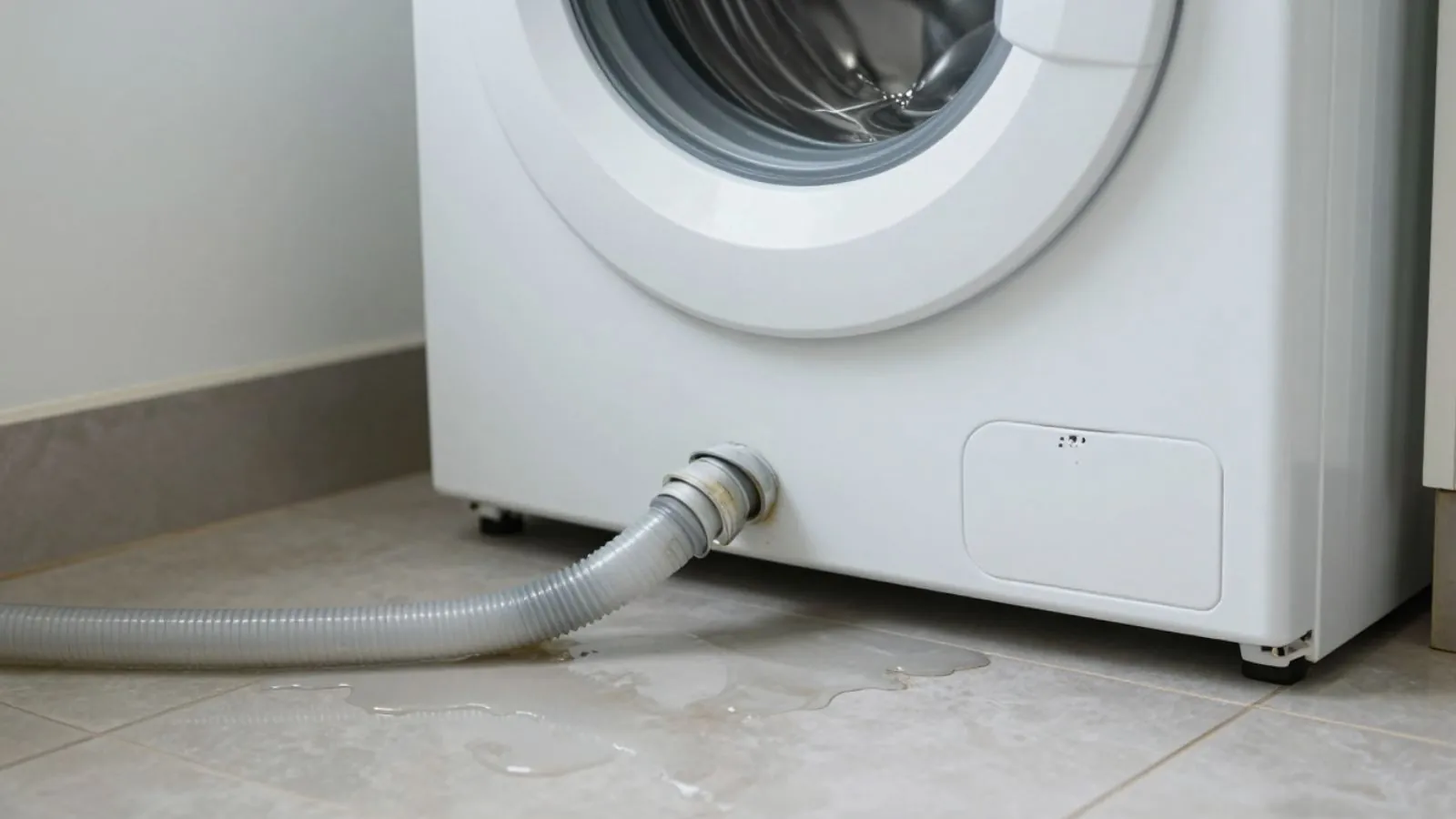
First actions for a tenant
If water is coming in, stop it if you safely can by closing a supply valve, and make the area safe. Then tell the landlord or property manager right away, in writing if possible. A text or email gives you a record of the date and time.
Photograph everything, including your belongings. Your landlord's insurance generally covers the building, not your personal property, so renters insurance is how many tenants recover the cost of damaged contents.
Who usually handles what
| Item | Tenant | Landlord |
|---|---|---|
| Notice of the leak | Gives prompt notice | Receives and responds |
| Stopping the water | If safely possible | Plumber or maintenance |
| Building repairs | Allows access | Arranges and pays, usually through building insurance |
| Personal belongings | Claims through renters insurance | Not responsible unless at fault |
| Temporary housing | Documents costs, checks lease and policy | May be involved depending on habitability |
Lease terms and the cause of the leak change the answer. This is general information, not legal advice.
Rentals in a hamlet with lakes and older housing
Rental housing in a hamlet like Mahopac can range from apartments to converted cottages and in-law units. Older buildings have older plumbing, and seasonal cottages converted for year-round use may have lines in exterior walls. For questions about unsafe or uninhabitable conditions, the Town of Carmel building department is the office to ask.
New York recognizes a warranty of habitability in residential leases under Real Property Law section 235-b. If a leak makes part of the home unusable, a lawyer or a tenant advocacy group can explain your options. We do not give legal advice, and your lease controls the details.
Documentation both sides should keep
- Dates and times of the leak, the notice and each response.
- Photos and video of the source and the damage.
- Names of contractors and plumbers who visit.
- Moisture readings and drying records from a restoration company.
- Insurance claim numbers for both policies.
A short notice to send your landlord
Keep it factual. State the date and time you found the leak, where the water is, what you did to stop it and what damage you can see. Ask for the name and number of the person who will fix it and ask when they can come. Attach photos and keep a copy.
Send it by email or text so there is a timestamp, and follow with a phone call if the leak is active. If you do not get a response, repeat the message and record each attempt. A clear record protects you if there is a later dispute.
Seasonal and short-term rentals
Seasonal cottages and short-term rentals have their own risks. A house that sits empty between guests can leak for days before anyone notices. Owners can lower the risk with a smart water shutoff, regular checks and instructions for guests on where the main is.
If you manage a rental, keep a short checklist for each turnover. It should include a look under sinks, at the water heater and around appliances, and it should note any stain that is new.
Renters insurance and why it matters
Renters insurance is inexpensive compared with the cost of replacing furniture, clothing and electronics. It often also covers additional living expenses if the unit becomes unlivable, and some policies include liability coverage if a tenant accidentally causes a leak that damages other units.
If you are a tenant without a policy, ask your agent about one. If you are a landlord, consider requiring renters insurance in the lease so that a leak in one unit does not lead to disputes over contents.
Access and scheduling during drying
Drying equipment has to run in the unit for several days, and a restoration crew will need access to take readings. Tenants and landlords should agree on a schedule and on who will be present. Notices should be in writing and give a reasonable window for visits.
If the unit is unlivable during the work, document the days and costs. That record supports a claim for additional living expenses and any rent adjustment the lease or law allows.
Water damage in a rental property
Call and tell us whether you are the tenant, the owner or the manager.
What a restoration company does in a rental
A restoration company works on the building. It extracts water, dries the structure and repairs what was damaged, and the property owner normally authorizes the work. A tenant should not hire a contractor to work on the building without the landlord's consent.
For multi-unit buildings, water from an upstairs unit can reach several apartments. Our commercial water damage restoration page covers multi-unit jobs, and appliance leak water damage covers the common source in laundry rooms. We serve Mahopac Falls and Carmel rentals as well.
Rental water damage questions
Call the landlord first. The owner usually authorizes building work. A tenant can call for advice and to document damage.
Generally not. Renters insurance covers a tenant's contents.
That is a legal question that depends on your lease and the facts. Ask a lawyer or a tenant advocacy group.
The cause affects who is responsible. Document it and notify the landlord. Insurance for both units may be involved.
Landlords usually need to give notice for non-emergency access, and emergencies are treated differently. Read your lease and ask a lawyer if there is a dispute.