
Two questions decide everything
First, what kind of water was it? Clean supply water from a pipe is the easiest case. Water from a washer or dishwasher is grey, and water from a sewer, a flooded yard or a lake is contaminated. Second, how long has the item been wet? Within a day or so, many items can be saved. After several days, many cannot.
Porous and absorbent items such as mattresses, upholstered sofas and cushions hold water deep inside, so they are the hardest to save and the first to go when the water is contaminated.
Item by item
| Item | After clean water, quickly | After contaminated water |
|---|---|---|
| Mattress and box spring | Sometimes saved if caught early and dried fully | Discard |
| Upholstered sofa | Often saved if dried quickly | Discard |
| Solid wood furniture | Dry and clean | Clean and disinfect, may be saved |
| Particleboard furniture | Often swells permanently | Discard |
| Area rugs | Clean and dry | Clean off site or discard |
| Books and paper | Dry quickly or freeze to stop damage | Discard |
What to do in the first day
Get it out of the water
Move furniture to a dry place, ideally outside or on a hard surface.
Remove what you can
Take off cushions, bedding and slipcovers. Stand items on edge to drain.
Dry with air
Use fans and a dehumidifier, or let the sun help if the weather allows.
Decide by smell and feel
If it stays damp or smells after a day or two of drying, discard it.
Lower-level furniture and the lake-area basement
The Putnam County hazard plan records that Hurricane Sandy flooded basements in the Town of Carmel through blown-out culverts. Furniture stored in basements and finished lower levels is the most exposed in a flood. Storm and groundwater floods are not clean water, which means upholstered items are usually lost.
Summer humidity near Lake Mahopac slows drying, so a sofa left in a damp room can stay wet longer than you expect. For nearby areas, see our Mahopac Falls and Baldwin Place pages for local flood history.
How cleaning professionals approach wet upholstery
Upholstery cleaners extract water from the fabric and cushions, treat odors and dry the item with air movers. They can often save an item wet with clean water that was caught quickly. They cannot make an item that was in sewage or flood water safe, and a responsible cleaner will say so.
Ask about the water type, how the cleaner will dry the cushions and the frame, and whether any treatment is included. A damp smell after cleaning means the interior is still wet.
Replacing items and your claim
If you replace furniture, keep photos, receipts and a list with approximate ages. Some policies pay replacement cost and others pay the depreciated value, and the difference can be large. Ask your agent which applies to your contents coverage.
Do not throw out an item before you photograph it and, where practical, before the adjuster has had a chance to see it.
Children's items, bedding and soft goods
Bedding, stuffed toys and clothing that were wet with clean water can usually be washed in hot water and dried completely. Items wet with sewage or flood water should be discarded unless they can be professionally cleaned. Mattresses are especially hard to disinfect because the contamination soaks into the core.
If you are unsure, take photos and ask the restoration company or your insurer before you throw things away. For a home with children or anyone who is ill, lean toward replacing anything that was in contaminated water.
Mistakes people make with wet furniture
- Leaving a wet cushion on a carpeted floor, which wets the carpet and pad.
- Using a heater or hair dryer on high heat, which can set odors and damage foam.
- Keeping a mattress that smells damp because it looks fine.
- Throwing items away before photographing them for a claim.
- Putting wet furniture back on the floor before the floor is dry.
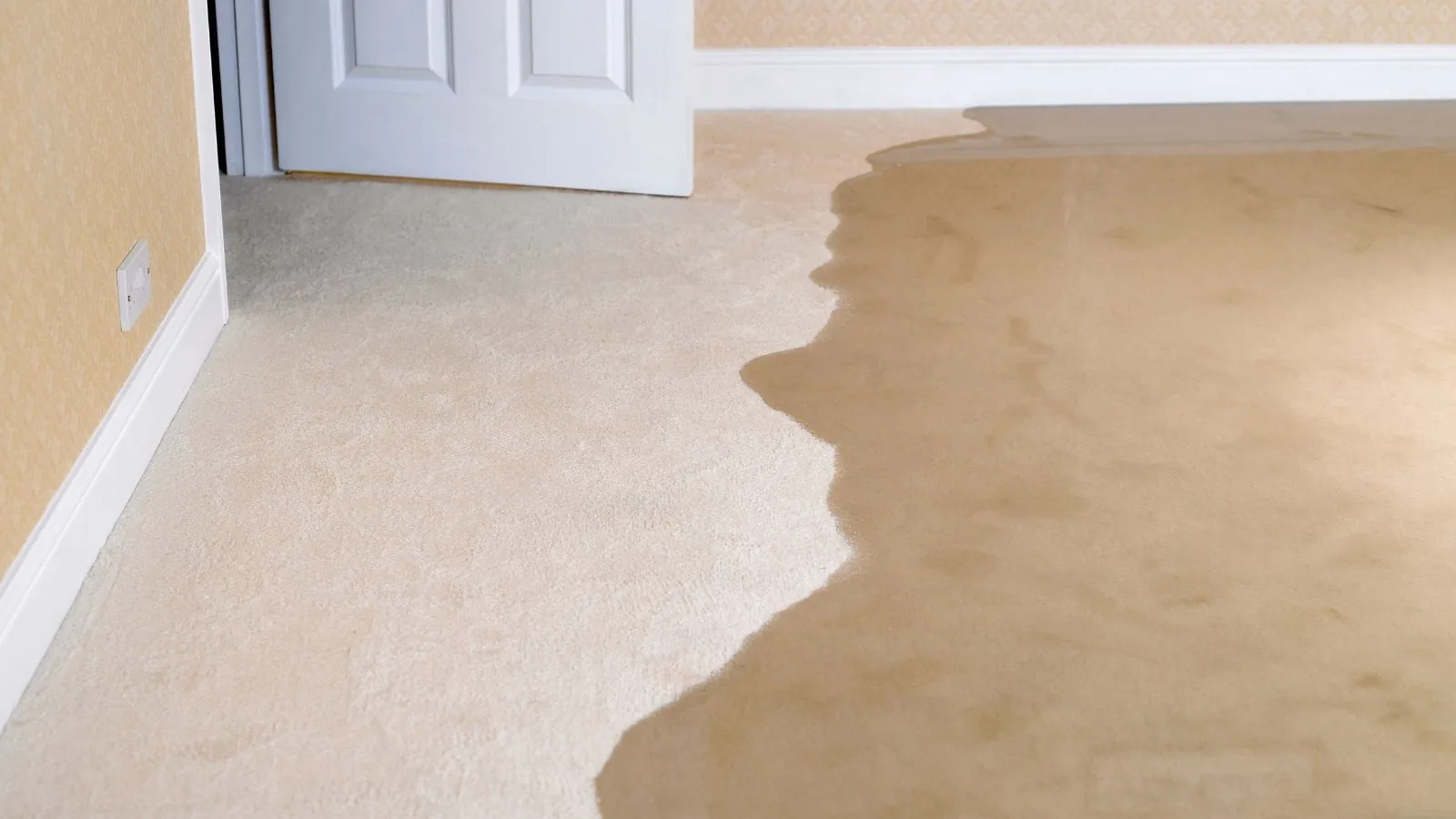
The floors and walls are wet too
Call and we will tell you what to dry and what to replace.
Cleaning versus replacing
Professional cleaning can sometimes restore upholstery that was wet with clean water. It cannot reliably remove contamination from sewage or flood water, so replacement is the safe choice there. Insurers may ask you to keep items until an adjuster has seen them or photographed them.
Take photos, note the item, age and approximate value, and keep receipts for cleaning and replacement. Our pages on appliance leak water damage and sewage backup cleanup cover the situations that most often wet furniture.
Wet furniture questions
Sometimes, after clean water that is caught quickly and dried thoroughly. After contaminated water, discard it.
There is no fixed number. The longer it stays wet, the more likely it develops odor and damage. After several days, replacement is usually the answer.
Contents coverage depends on the policy and the cause. Photograph and list items before disposal.
If it dried fully and smells clean, it may be. If it smells damp or was in contaminated water, replace it.
Treat it as contaminated if the water came from a storm or sewer, document it and discard it. Ask us about floors and walls.